Altair HyperStudy · Design Optimization
Altair HyperStudy Design Exploration and Optimization
Automate design of experiments, trade-off studies, multi-objective optimization and robustness analysis across any solver, so your team compares hundreds of design alternatives instead of validating one. Now Simcenter HyperStudy, licensed and supported by TrueInsight.
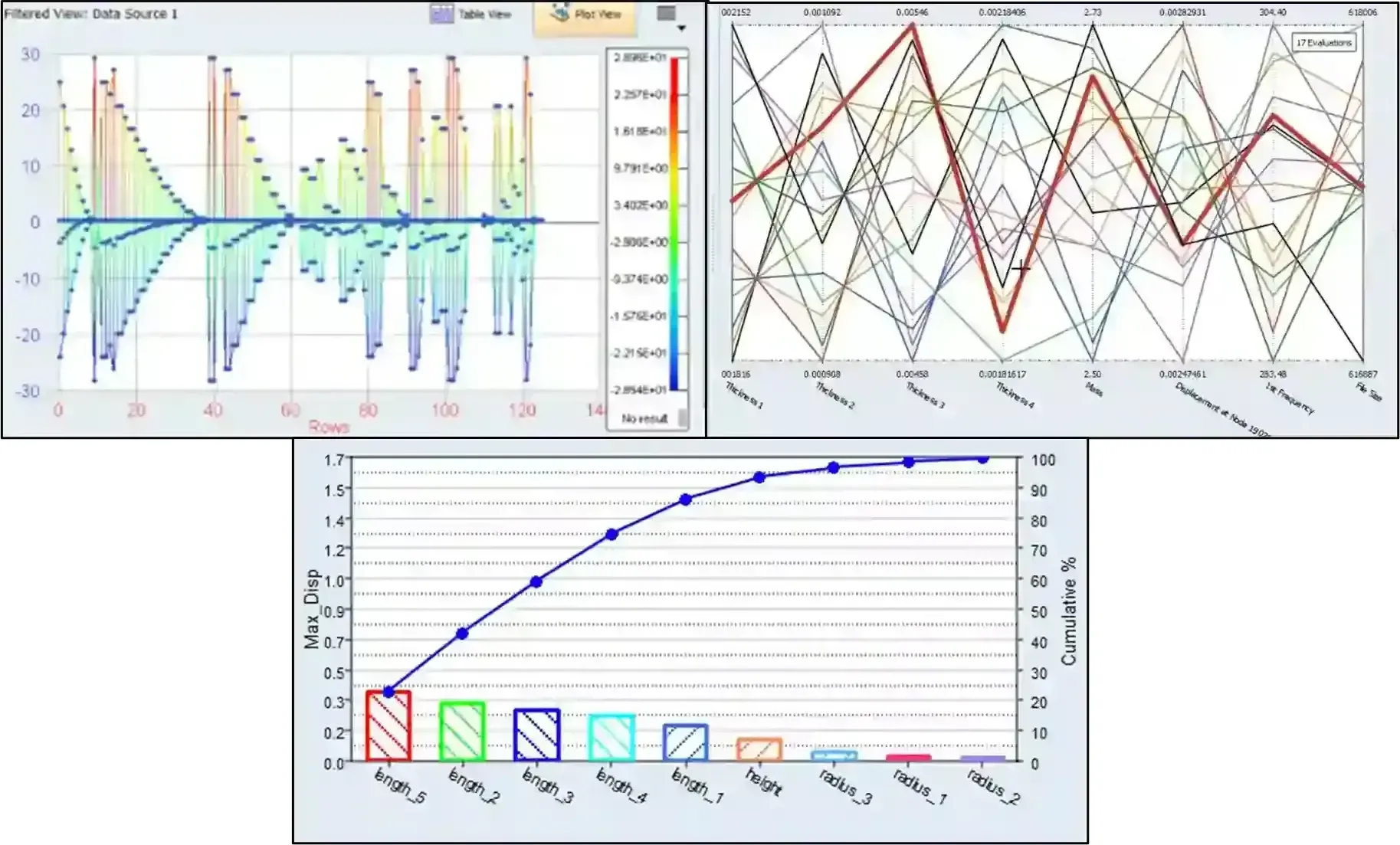 HyperStudy · DOE Results
Overview
What Is Altair HyperStudy?
Altair HyperStudy is multidisciplinary design exploration and optimization software. Instead of validating one concept at a time, it varies geometry, material properties and operating conditions automatically, runs the simulations, extracts the results and shows which configuration best meets your objectives for weight, strength, performance or cost.
HyperStudy is solver-neutral and part of the Altair HyperWorks platform, driving Altair and third-party simulation tools across structural, thermal, CFD, electromagnetic and multi-body dynamics problems. With the June 2026 Simcenter release, former Altair products joined the Siemens Simcenter family, so HyperStudy now also carries the Simcenter HyperStudy name. TrueInsight licenses and supports it under either name.
- DOE, Sweep and Sensitivity Studies
- Single- and Multi-Objective Optimization
- Stochastic, Robustness and Reliability Studies
- Response Surfaces and Surrogate Models for Fast Evaluation
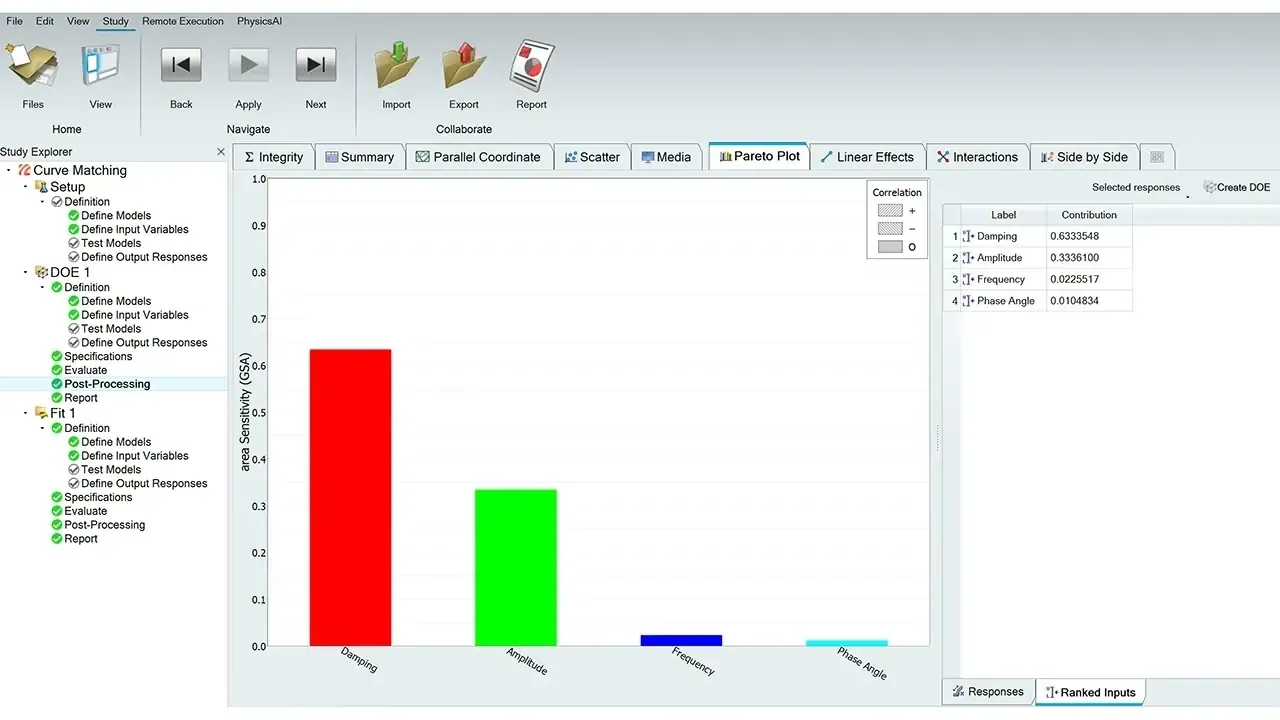 HyperStudy · Sensitivity Ranking
Key Capabilities
Methods to Explore, Compare and Refine Designs
Automatically evaluate design alternatives, understand performance trade-offs and converge on an optimal configuration before you build a physical prototype.
Automated Design Exploration
Vary geometric parameters, material properties and operating conditions automatically to generate and analyze design configurations without manual re-modeling.
Design of Experiments (DOE)
Structured studies identify which variables most influence product behavior, so engineers understand sensitivity and know where design changes pay off.
Performance Trade-Off Analysis
Compare competing objectives such as stiffness vs weight, cooling vs power consumption or strength vs material cost to find balanced solutions.
Multidisciplinary Optimization
Combine structural, thermal, vibration, flow and electromagnetic results in one optimization to evaluate realistic product performance.
Robustness and Reliability Studies
See how manufacturing tolerances, load variations and environmental conditions affect product reliability before physical testing.
Predictive Modeling and Response Surfaces
Fit surrogate models that approximate simulation results, so thousands of design possibilities can be evaluated without running a full simulation each time.
Design of Experiments
DOE Studies That Rank the Variables That Matter
HyperStudy’s DOE methods, including Full Factorial, Latin Hypercube and Hammersley sampling, explore the design space efficiently and identify the influential variables across structural, electromagnetic, CFD, thermal and multi-body dynamics disciplines. Fit models built from the results can be exchanged between experts, which reduces the simulation runs needed to reach an optimal design.
- Full Factorial, Latin Hypercube and Hammersley Sampling
- DOE and Sweep Studies Without Writing Code
- Sensitivity Charts That Rank Influential Variables
- Fit Models Shared Between Disciplines
See a DOE set up on a real circuit: our HyperStudy and PSIM tutorial defines variables and output responses for a buck converter.
Optimization
Multi-Objective Optimization Across Disciplines
HyperStudy includes a full suite of optimization algorithms for single- and multi-objective problems with continuous, discrete or mixed variables. Define competing objectives such as performance, mass and cost, and HyperStudy converges on Pareto-optimal designs that balance them.
One study can combine structural, thermal, CFD and electromagnetic results, so a design is improved against all of its requirements at once instead of one discipline at the expense of another.
- Single- and Multi-Objective Algorithms
- Continuous, Discrete and Mixed Variables
- Pareto Fronts for Competing Objectives
- Structural, Thermal, CFD and Electromagnetic Responses in One Study
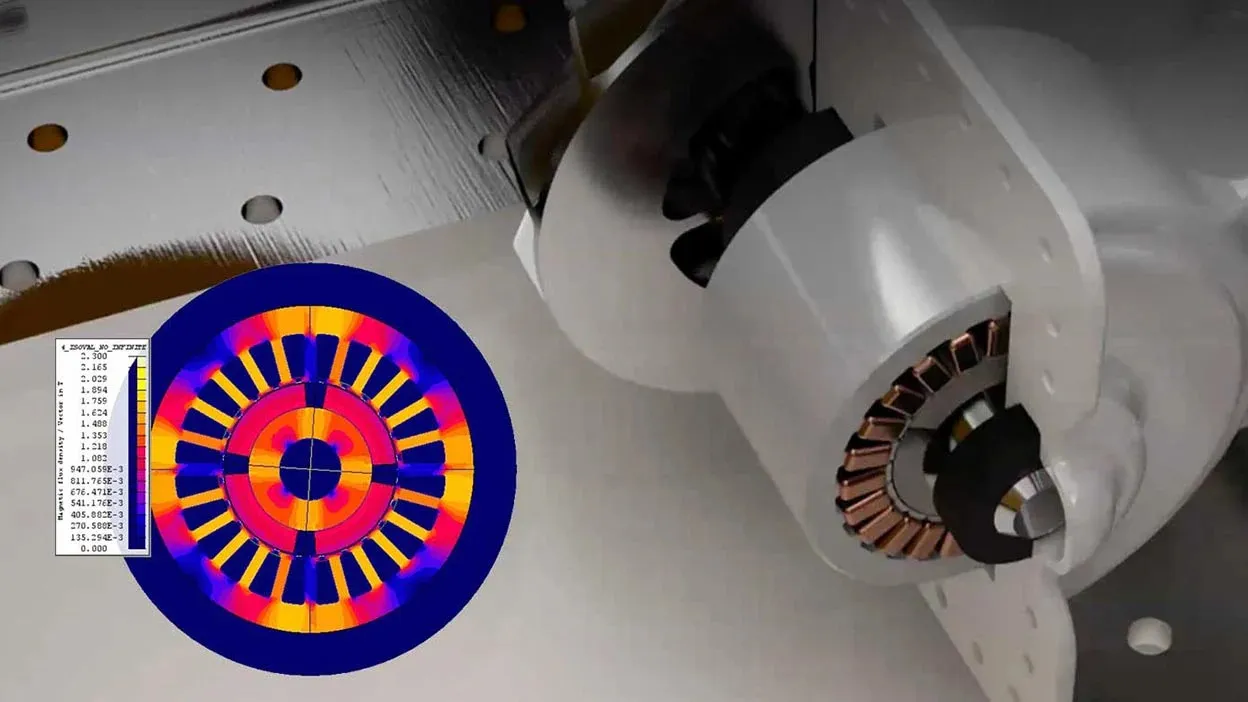 Motor Design · Electromagnetics
Robustness and Reliability
Stochastic Studies for Robust, Reliable Designs
Real parts never match the nominal design exactly. HyperStudy propagates variation in manufacturing tolerances and operating loads through your simulation models and returns statistical distributions of the outputs, so failure risks show up before physical testing.
Use the results to target Six Sigma performance levels and deliver designs that perform consistently across operating conditions, from prototype to production.
- Manufacturing Tolerances and Load Variation as Inputs
- Statistical Distributions of Every Output
- Failure Risk and Reliability Assessment
- Six Sigma Performance Targets
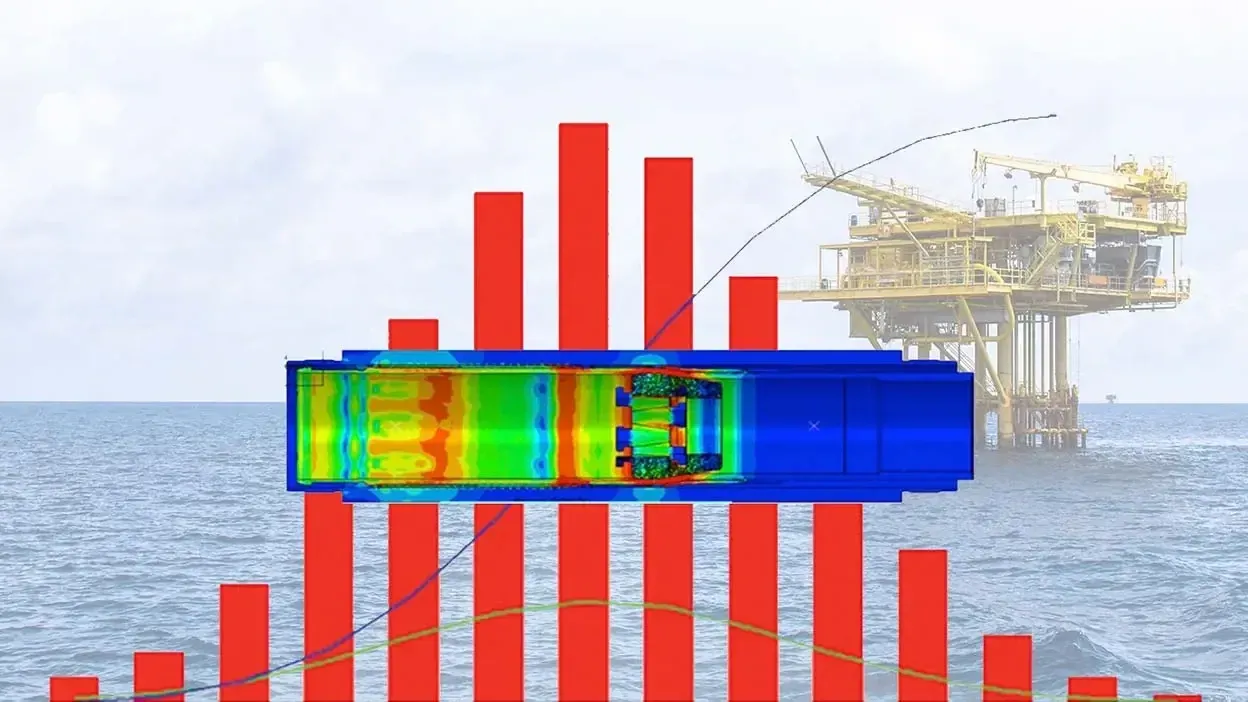 Offshore Structure · Design Study
Guided Workflow
A Step-by-Step Workflow That Drives Any Solver
HyperStudy guides each study step by step, manages the runs and extracts the results, with multi-execution solver support and HPC integration for large studies.
Data mining and post-processing reveal the trends in large design datasets, and reports and archives keep the findings usable long after the study ends. Our HyperStudy and PSIM part 2 tutorial runs a complete optimization this way.
Add Your Model
Connect the solver model and expose its parameters as input variables with lower and upper bounds.
Test the Connection
Check that HyperStudy can write, execute and extract results before the full study runs.
Define Responses and Goals
Pick the outputs to extract, then set objectives and constraints on them.
Evaluate and Explore
Run the DOE, optimization or stochastic study, in parallel where possible, then review sensitivities, trade-offs and the best design.
Why Automate
HyperStudy vs Manual Design Iteration
Simulation software tells you how one design performs. HyperStudy uses those simulations to compare many designs and find the best one. Here is how that differs from changing the model by hand.
| Consideration | HyperStudy Design Exploration | Manual Iteration |
|---|---|---|
| How Designs Are Created | Variables are varied automatically across geometry, materials and operating conditions | An engineer edits the model and reruns it by hand |
| Designs Evaluated | Hundreds of alternatives, run in batches and in parallel | As many as the schedule allows, one at a time |
| Variable Influence | DOE and sensitivity studies rank the parameters that drive each response | Judged from experience and a few comparisons |
| Trade-Offs | Pareto fronts show the balance between objectives such as weight and stiffness | Weighed case by case |
| Variability | Stochastic studies turn tolerances and load variations into output distributions | Often left to physical testing |
| Best Fit | Many variables, competing objectives or reliability targets | Quick checks of one or two changes |
Customer Success
HyperStudy Customer Stories
How engineering teams pair HyperStudy design of experiments with simulation to tune designs and processes before production.
All Case Studies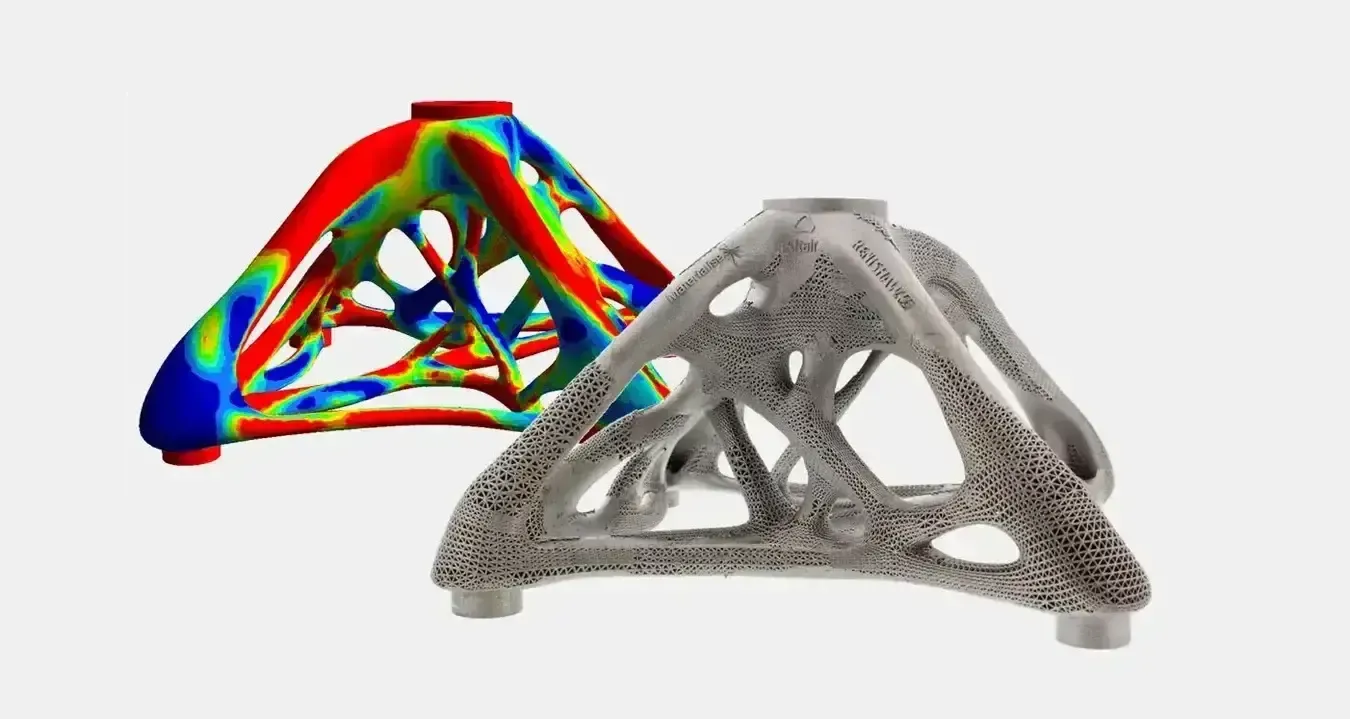
Licensing & Pricing
HyperStudy Price and Altair Units Licensing
HyperStudy is not sold as a fixed-price, single-product seat. It is licensed through Altair Units, a pooled subscription that also runs HyperMesh, OptiStruct, SimSolid, Inspire and the rest of the Altair portfolio.
Your HyperStudy cost depends on how many engineers run studies at the same time and which solvers and other applications draw from the same pool. We size a proposal from your workflows instead of quoting a list price.
- Annual Subscription Sized to Your Concurrent Users
- The Same Units Also Run HyperMesh, OptiStruct and SimSolid
- Startup, Academic and Competitive-Replacement Programs Available
- Installation, License Server Setup and Onboarding Included
Browse the full Altair software portfolio, read more about Altair licensing and support or see how engineering software pricing works across Altair and Siemens.
Get HyperStudy Pricing
Tell us what you want to optimize and which solvers you use. We’ll size an Altair Units proposal.
Thanks, Your Request Is In
An application engineer will follow up with next steps.
Training & Services
HyperStudy Training and Optimization Support
TrueInsight helps teams move from simulation to real design decisions: defining objectives and constraints, setting up optimization studies and interpreting the results, so simulation data turns into actionable insight before prototypes are built.
Engineers don’t need to be optimization experts to use HyperStudy, but they do need to know which variables, responses and constraints describe their product. We help you frame the study and stay on call while your team builds confidence. Need the study run for you? Our engineering consulting and training services can help.
- Defining Variables, Objectives and Constraints
- Connecting Your Solvers and Extracting Responses
- Reading Sensitivities, Trade-Offs and Pareto Fronts
Guides and Articles
- Leveraging Simcenter HyperStudy & PSIM to Optimize Circuit DesignConnect PSIM and define variables and responses.
- HyperStudy & PSIM Part 2: From Integration to OptimizationGoals, constraints and a full optimization run.
- Topology Optimization Software and MethodsHow optimization finds the best material layout.
- Structural Analysis SoftwareEvery Altair structural tool in one place.
From the Blog
Design and Simulation Articles
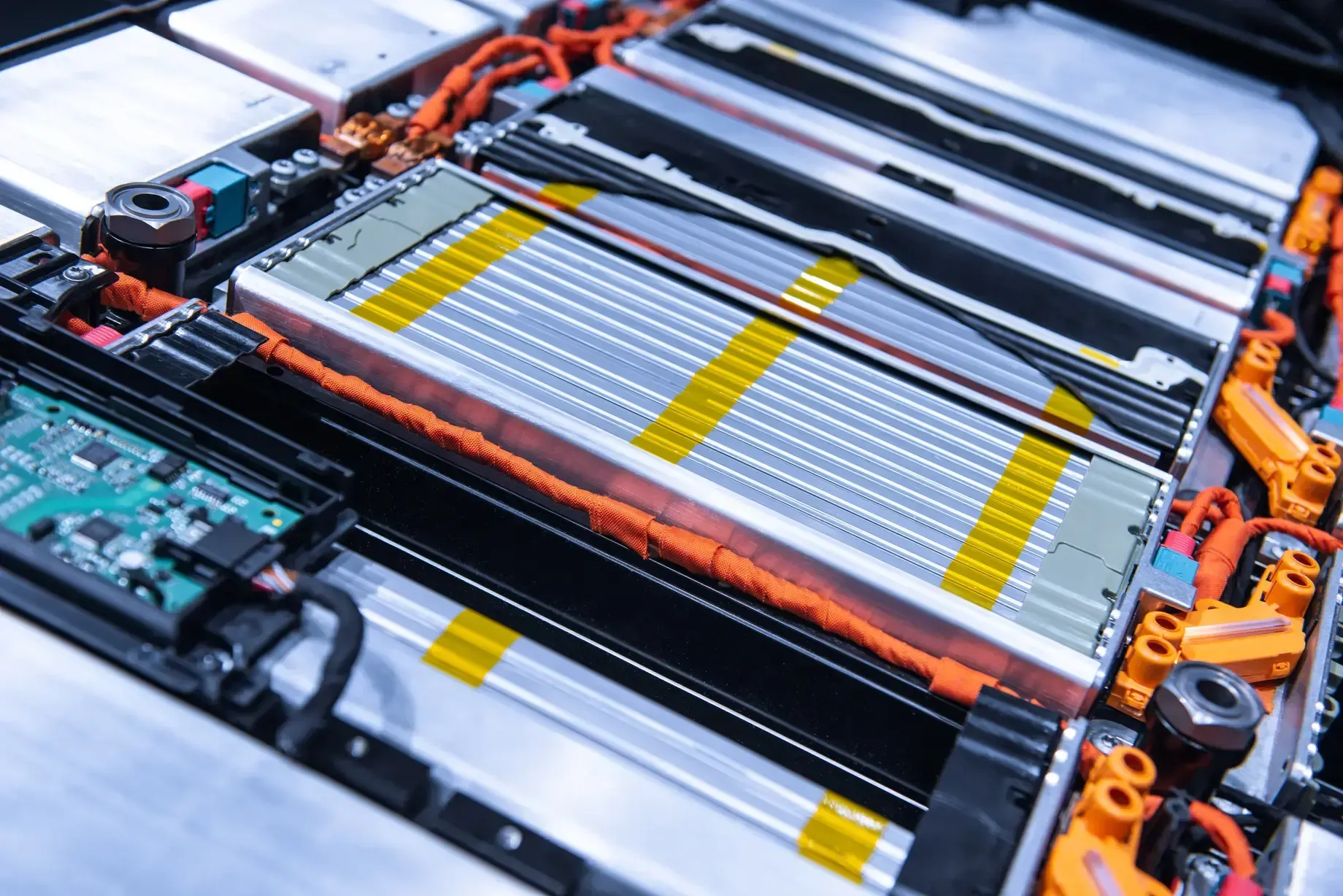
Battery Simulation 101: Thermal, Structural and EM Analysis for EV Battery Packs
How to simulate EV battery packs across thermal, structural, and EM physics using Altair tools.
Read Article
FEA vs CFD: What’s the Difference (and Which Do You Need)?
FEA, CFD, and multiphysics solve different problems. Here's how to choose the right simulation approach for your engineering challenge.
Read ArticleFAQ
Frequently Asked Questions About Altair HyperStudy
What Is Altair HyperStudy?
Altair HyperStudy is multidisciplinary design exploration and optimization software in the Altair HyperWorks platform. It automates DOE, sweeps, optimization and stochastic studies in a solver-neutral environment, so engineers can compare many design alternatives and find the best-performing configuration.
What Is Design Optimization in Engineering?
Design optimization is a simulation-driven process that automatically evaluates many design configurations to find the best one against defined objectives such as weight, strength, performance or cost. Instead of validating one concept at a time, it analyzes many parameter combinations and identifies the most efficient configuration.
When Should Companies Use Design Optimization?
Typically in early and mid design stages, while geometry, materials and operating conditions are still flexible. Optimizing early reduces rework and prototyping and improves product performance before manufacturing decisions are final.
How Is HyperStudy Different From Simulation Software?
Simulation software evaluates how one specific design performs under certain conditions. HyperStudy does not replace simulation: it uses simulation results to compare many design alternatives automatically and identify which configuration performs best against your criteria.
Do Engineers Need Advanced Optimization Expertise to Use HyperStudy?
No. HyperStudy’s guided workflow walks users through defining variables, constraints and objectives. Engineering teams mainly need to understand their product’s behavior and performance requirements; the software manages the mathematics of the optimization.
What Problems Can Design Optimization Solve?
Typical applications include weight reduction, structural strength improvement, vibration tuning, thermal performance, material selection and balancing competing requirements such as performance versus cost or durability.
Which Solvers Does HyperStudy Work With?
HyperStudy is solver-neutral. It drives Altair and third-party simulation tools across structural, thermal, CFD, electromagnetic and multi-body dynamics disciplines, with multi-execution support and HPC integration for large studies. Our HyperStudy and PSIM tutorial shows one example.
Is HyperStudy Now Simcenter HyperStudy?
Yes. Siemens acquired Altair, and with the June 2026 Simcenter release former Altair products joined the Simcenter family, so HyperStudy also carries the Simcenter HyperStudy name. It is the same software, and TrueInsight licenses and supports it under either name.
How Much Does HyperStudy Cost?
HyperStudy is licensed through Altair Units, so there is no fixed per-seat list price. The cost depends on how many engineers use it at the same time and which other Altair applications share the pool. Request HyperStudy pricing and we’ll size a proposal to your team.
Does TrueInsight Provide Implementation and Guidance for HyperStudy?
Yes. TrueInsight helps engineering teams define optimization studies, select the right parameters, interpret trade-offs and build optimization into real product development workflows, so the results deliver practical engineering value.
Related Pages
More Altair Simulation and Optimization Software
Altair HyperWorksThe CAE platform that includes HyperStudyGet Started
Ready to Optimize Your Product Design Process?
Whether you’re setting up your first DOE or adding multi-objective optimization to an existing workflow, our engineers will help you find better designs before prototypes are built.
- Authorized Siemens & Altair Partner
- Expert Engineering Support
- Licensing Sized to Your Team